Overview
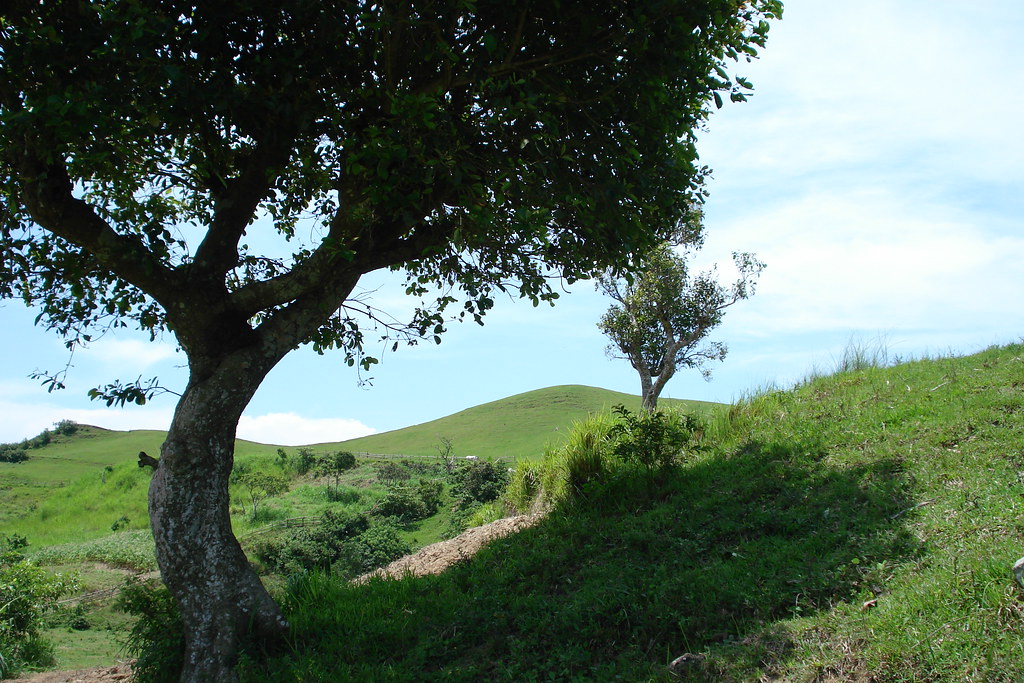
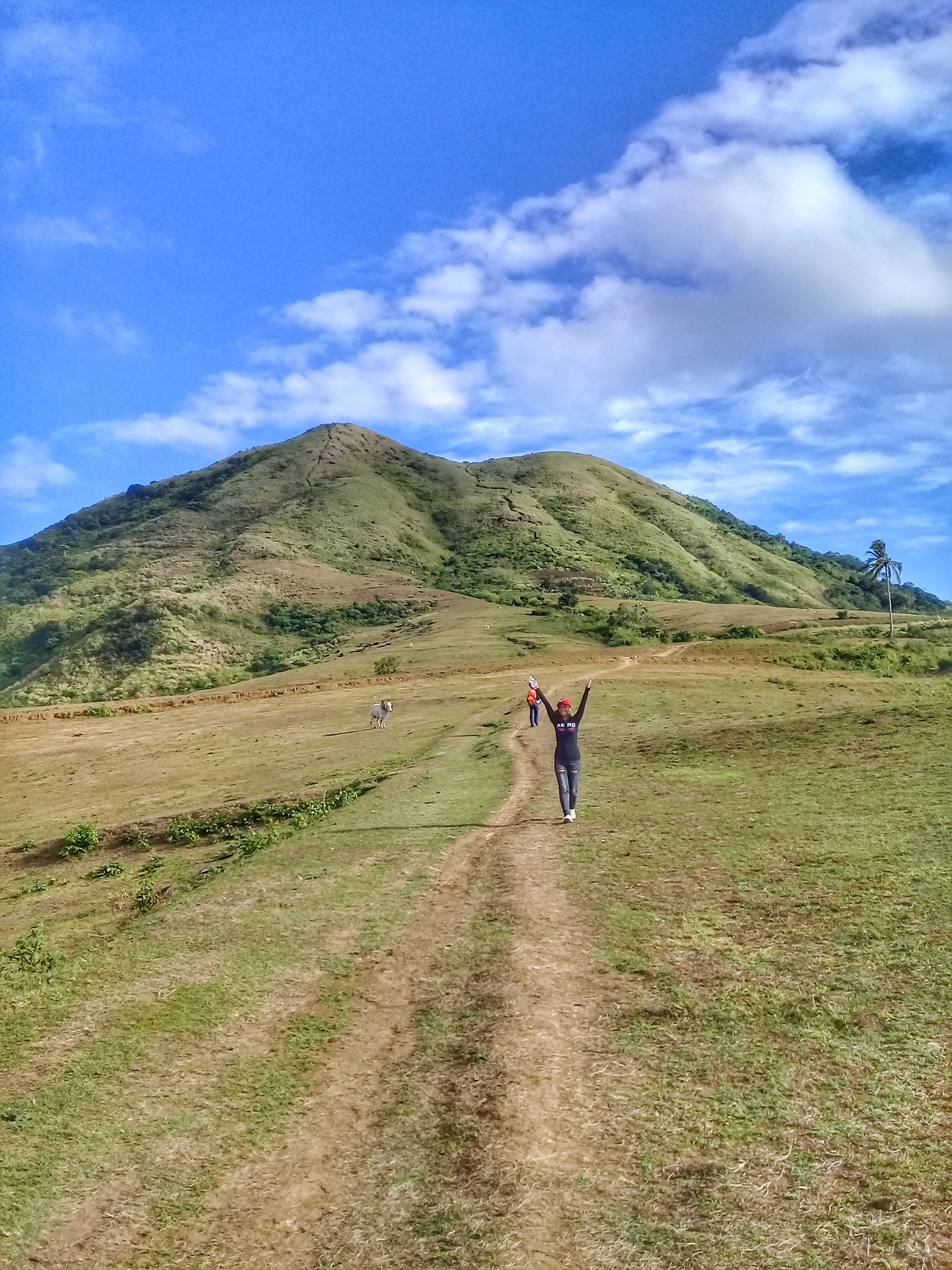
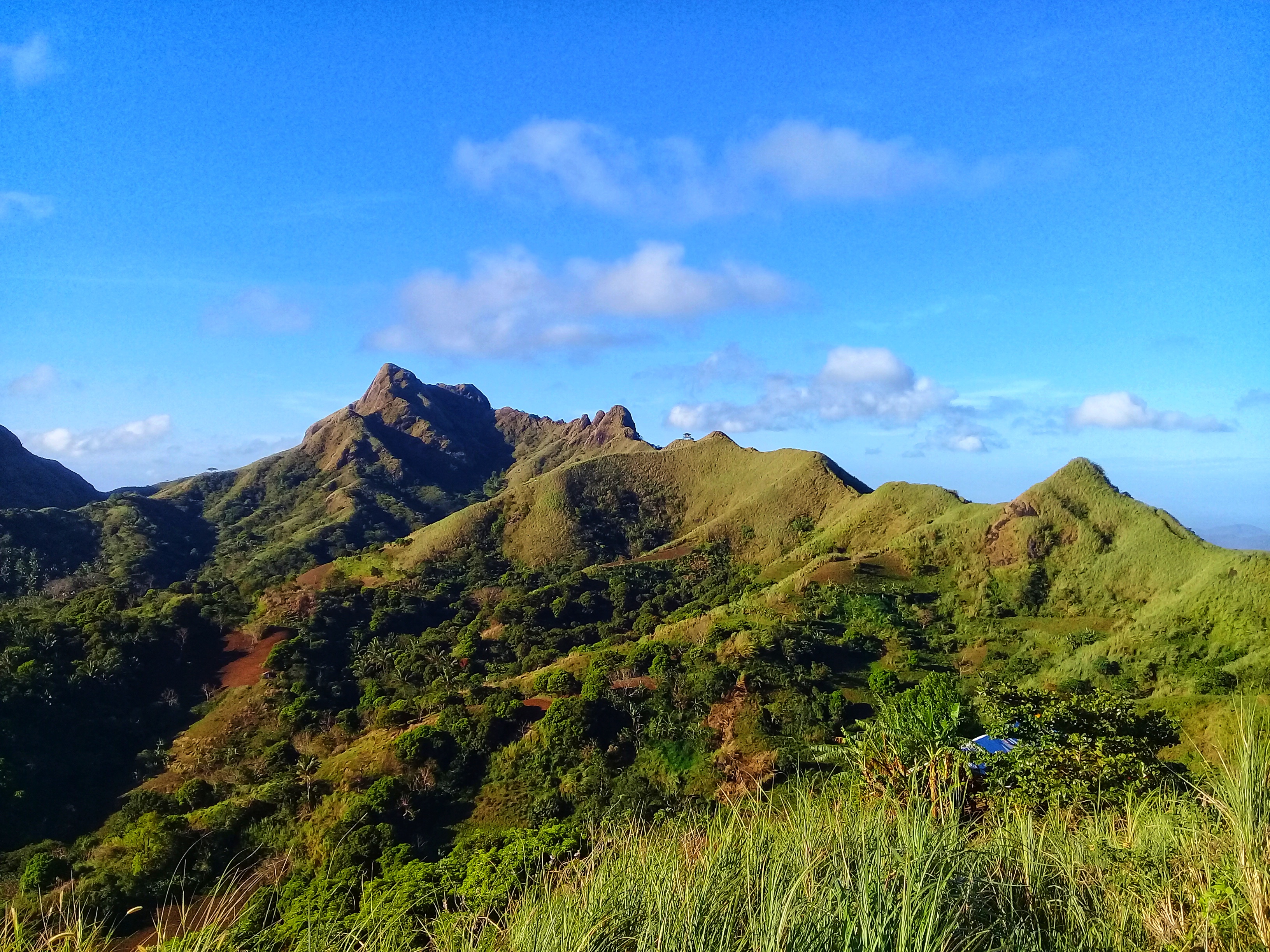
Mt. Manabu Campsite sits near Manabu Peak, a 760-meter beginner mountain in Santo Tomas, Batangas. Campers use the Sulok jump-off in Barangay Sta. Cruz, then hike through a shaded forest trail with rest stations, snack stops, a stream crossing, and a small summit area marked by a white cross. It works best as a one-night tent camp if you want a short mountain escape from Manila without committing to a long climb.
Read the full guide getting there, costs, amenities, what campers say & more
How do you get to Mt. Manabu Campsite?
Drive or ride to the Mt. Manabu jump-off in Sulok, Barangay Sta. Cruz, register in Barangay Sulok, then hike 2–3 hours to the summit area and campsite. The jump-off has limited private parking, and the final road is paved but narrow.
Public transport usually routes through Lipa. From Manila, take a Lipa-bound bus, get off near Fiesta Mall, then ride a tricycle to the registration area and jump-off. The tricycle stop comes before the trail, so settle registration first before the short ride to the start.
The trail passes several stations. The lower part cuts through houses, farms, and forest paths, so first-timers save time by hiring a local guide. The route gets muddy and slippery after rain, especially on descents and the final approach.
How much does camping at Mt. Manabu Campsite cost?
Budget ₱30/person for registration. Overnight guide fees are ₱1,250–₱1,500/group, so the per-person cost changes with group size. The listing fee fields use ₱30/person because the guide charge is group-based, not a fixed per-person camping fee.
For a solo camper, the guide fee is the big cost. For a group of five, a ₱1,500 overnight guide works out to ₱300/person before transport, food, parking, and wash-up fees. Day-hike guide rates are lower, but overnight groups should confirm the current rate at registration before starting.
What amenities does Mt. Manabu Campsite have?
Mt. Manabu Campsite is basic mountain camping: bring your own tent, drinking water, food, stove, rain cover, and trash bag. Toilets and showers are at the jump-off, not at the summit campsite, and the peak has no reliable water source for campers.
The trail has rest stations, sari-sari stores, snack stops, and coffee stops, including the well-known Station 5 area. Do not treat those as a substitute for camp supplies. Bring enough drinking water from the jump-off, especially if staying overnight.
Globe signal works at 3G level at the summit, but do not rely on mobile data for navigation. Electricity is not available at the campsite. Pets are not allowed. Bonfire rules were not confirmed, so use a stove unless local guides or registration staff clearly allow otherwise.
What do campers say about Mt. Manabu Campsite?
Campers describe Mt. Manabu as a short, friendly beginner climb with enough shade and rest stops to make carrying a tent manageable. The main complaints are mud after rain, confusing lower paths, and a summit area that can feel small when groups arrive together.
The good parts are practical: a quick drive from Manila on light-traffic days, a forested trail, a coffee stop, and a campsite close enough to the summit for sunrise or early breakfast. The rough part is weather. Rain turns the trail slick and can soak tents if your groundsheet is weak.
Holy Week brings heavier foot traffic. Quiet mornings still happen, especially when you start early and avoid peak holiday windows.
When is the best time to camp at Mt. Manabu Campsite?
Camp in the drier months or on a clear forecast, and start early from the jump-off. Rain makes the trail muddy, slows the hike, and can flood poor tent setups, while Holy Week and long weekends can bring more hikers than a normal weekend.
For a two-day escape, leave Manila early Saturday, register at Sulok, hike before midday heat, camp near the summit area, then descend after sunrise. Pack for cool night air and sudden rain even in fair weather.