Overview
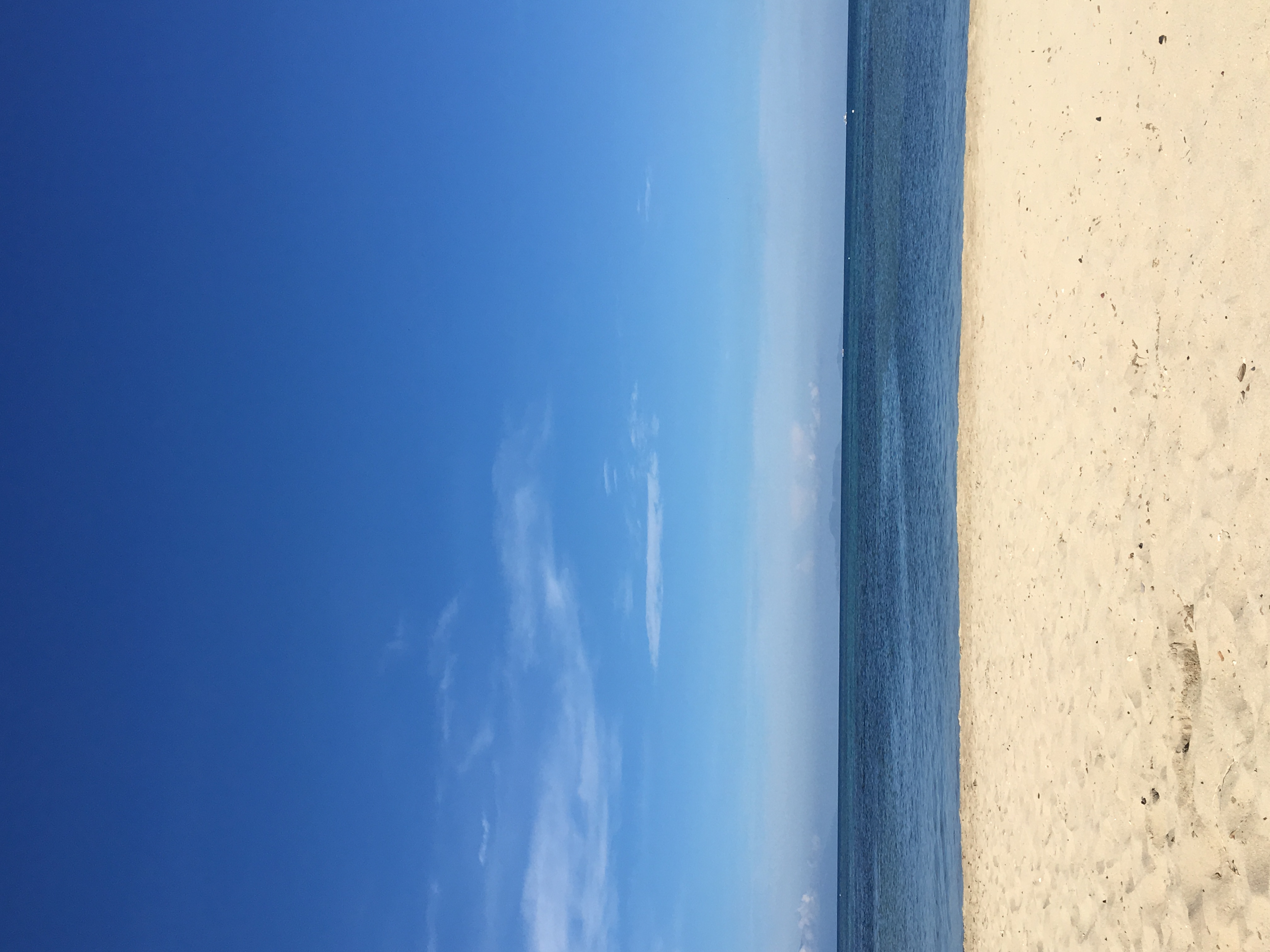
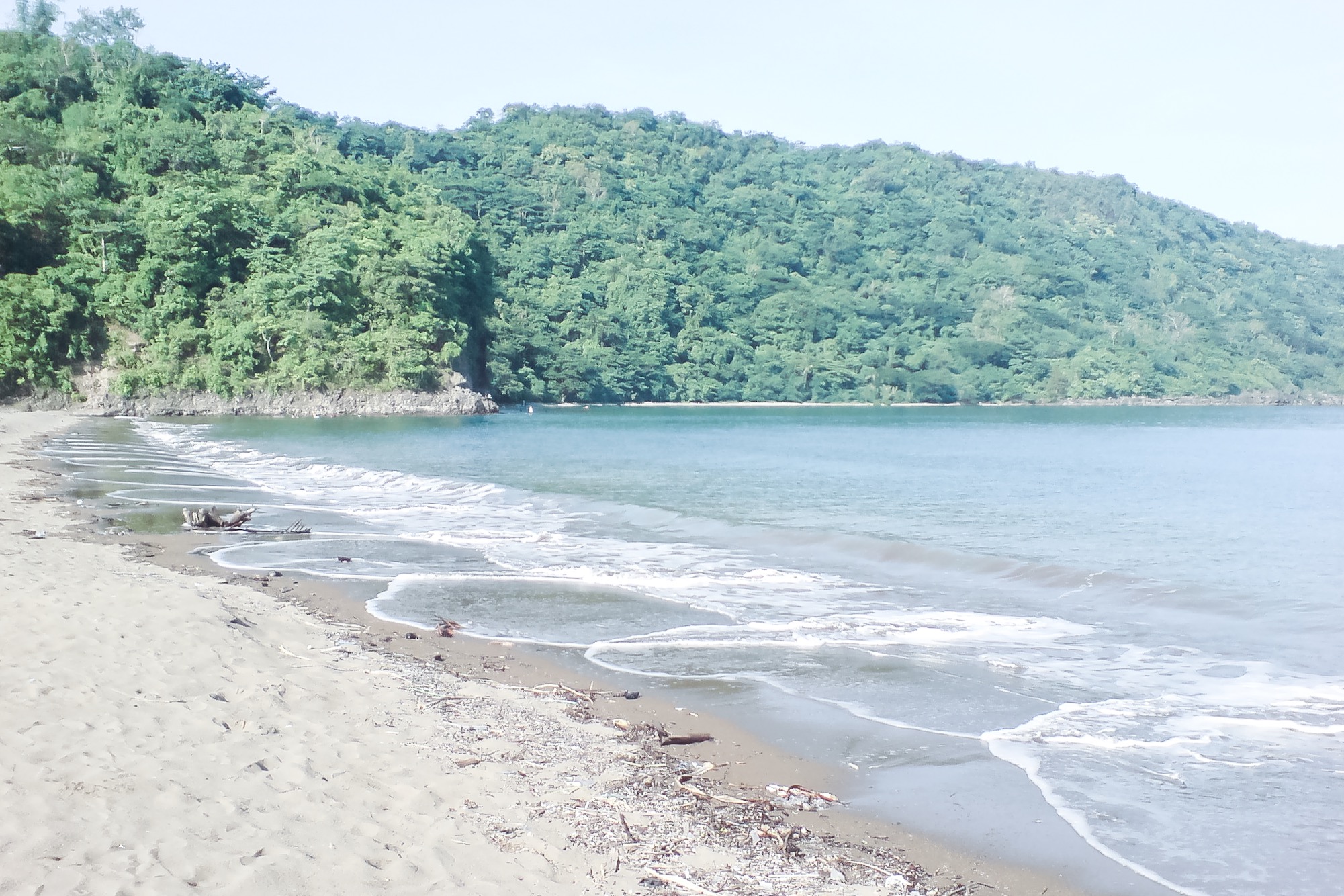
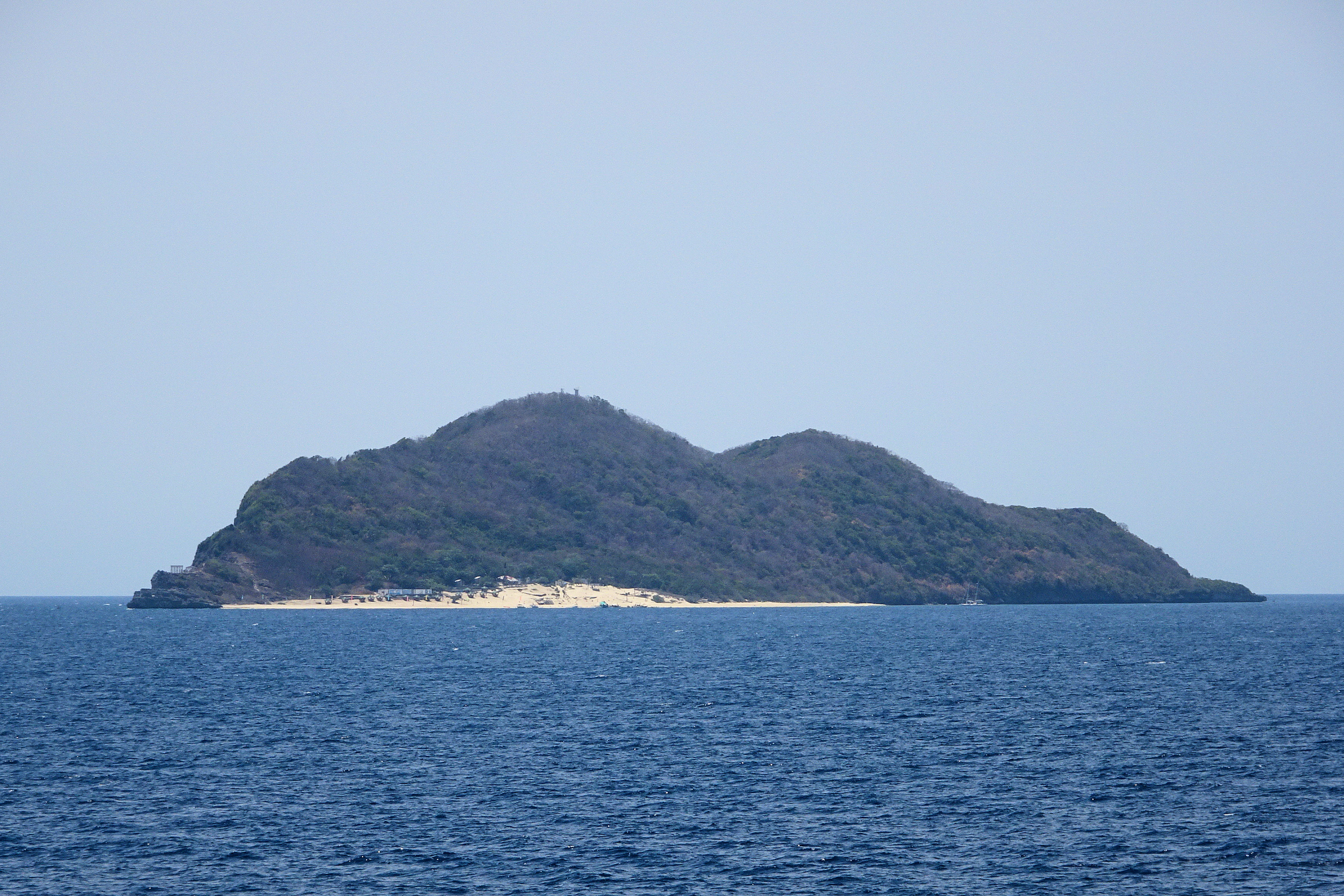
Masasa Beach is a community-based island beach in Barangay San Juan, Tingloy, Batangas, known for turquoise water, snorkeling, homestays, and limited legal tent camping in private yards rather than on the public beachfront.
The beach sits on Maricaban Island and remains one of the better-known budget island escapes near Manila. Overnight beach camping is no longer allowed on Masasa Beach itself. The practical camping option is to ask recognized homestays or transients whether they allow tents inside private yards. Expect a local, simple setup, not a resort campground.
Read the full guide getting there, costs, amenities, what campers say & more
How do you get to Masasa Beach?
Reach Masasa Beach by traveling to the active Mabini-side port, usually Anilao Port in amihan season or Talaga Port in habagat season, then taking a public boat to Tingloy Port, a tricycle toward Masasa, and a short walk.
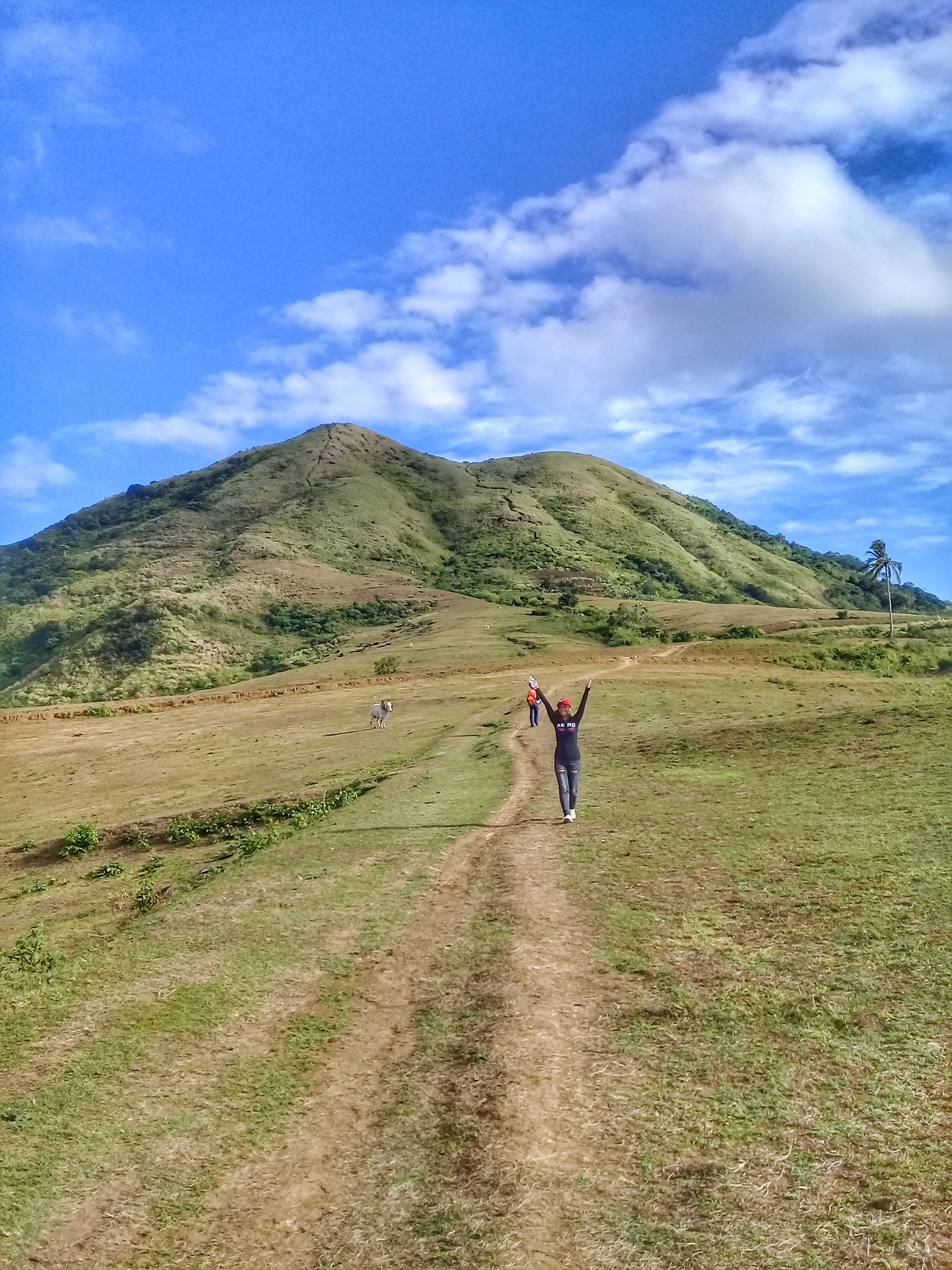
The route runs Manila to Batangas or Anilao, ferry to Tingloy Port, tricycle, then a downhill walk through the field path to the shore. The active mainland port changes with season and sea conditions, so verify Anilao Port or Talaga Port before leaving. Drivers normally park near the mainland port, not at the beach.
How much does camping at Masasa Beach cost?
Masasa Beach has no legal overnight public-beach camping fee, because overnight camping on the public beachfront is prohibited. Reported private-yard tent camping at homestays costs ₱200 to ₱300 per person per night where the host allows it.
Day tents must be removed by early evening. Treat ₱200 to ₱300 per person per night as a private-host tent fee, not as permission to pitch on the public beach. Separate port costs include environmental fees, terminal fees, boat fares, and a refundable trash bond.
What amenities does Masasa Beach have?
Masasa Beach has paid public toilets, snack vendors, a sari-sari store before the beach path, limited homestay kitchens, weak mobile signal, and limited electricity. Buy drinking water and most food supplies before crossing.
Toilets and bathrooms near the cottage area can be used for a fee. The beach has snack and drink vendors but no proper restaurant row, so buy food near Anilao Port or coordinate meals with a homestay. Electricity typically runs from noon to midnight, and mobile signal is weak and intermittent. Bring drinking water, snacks, and other supplies.
What do campers say about Masasa Beach?
Campers describe Masasa Beach as beautiful, affordable, and clear-watered, but also basic, crowded in peak periods, weather-dependent, and stricter now that overnight tents on the public beach are no longer allowed.
Masasa works best for travelers who accept boat schedules, simple homestays, limited food, and a short final walk. Visitor reports mention turquoise water, snorkeling, public toilets, cheap local food vendors, and rougher water during some tide or weather conditions. The main tradeoff is comfort: Masasa feels local and scenic, but it does not operate like a polished beach resort.
When is the best time to camp at Masasa Beach?
The best time to visit Masasa Beach is November to May for calmer beach conditions, with weekdays preferred, since summer months, holidays, and long weekends bring the heaviest crowds.
December to April is the driest period, and November to February is coolest. March to May suits summer beach conditions but draws crowds. Check the weather, Coast Guard advisories, and the active port before booking any private-yard tent stay.