Overview
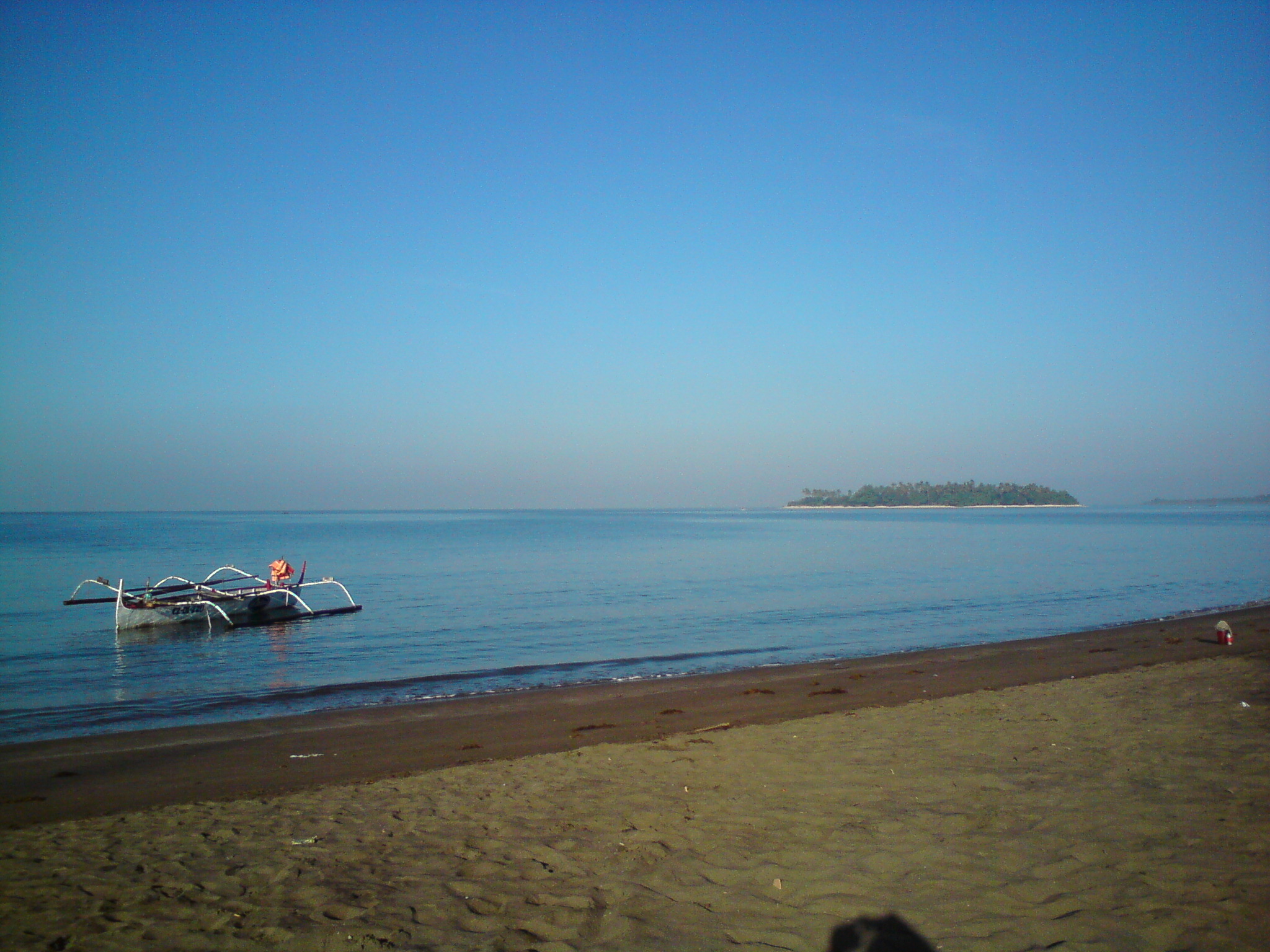
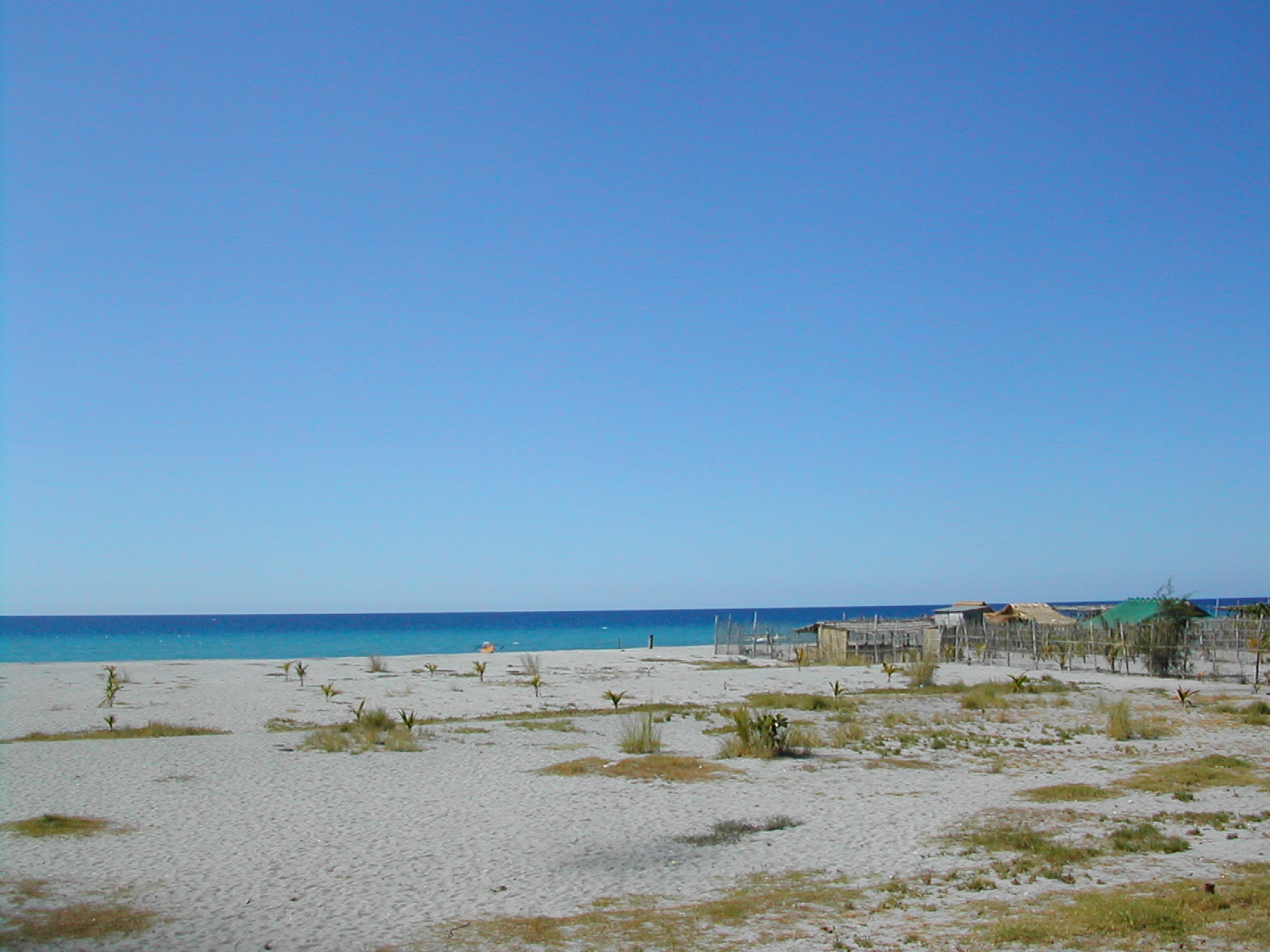
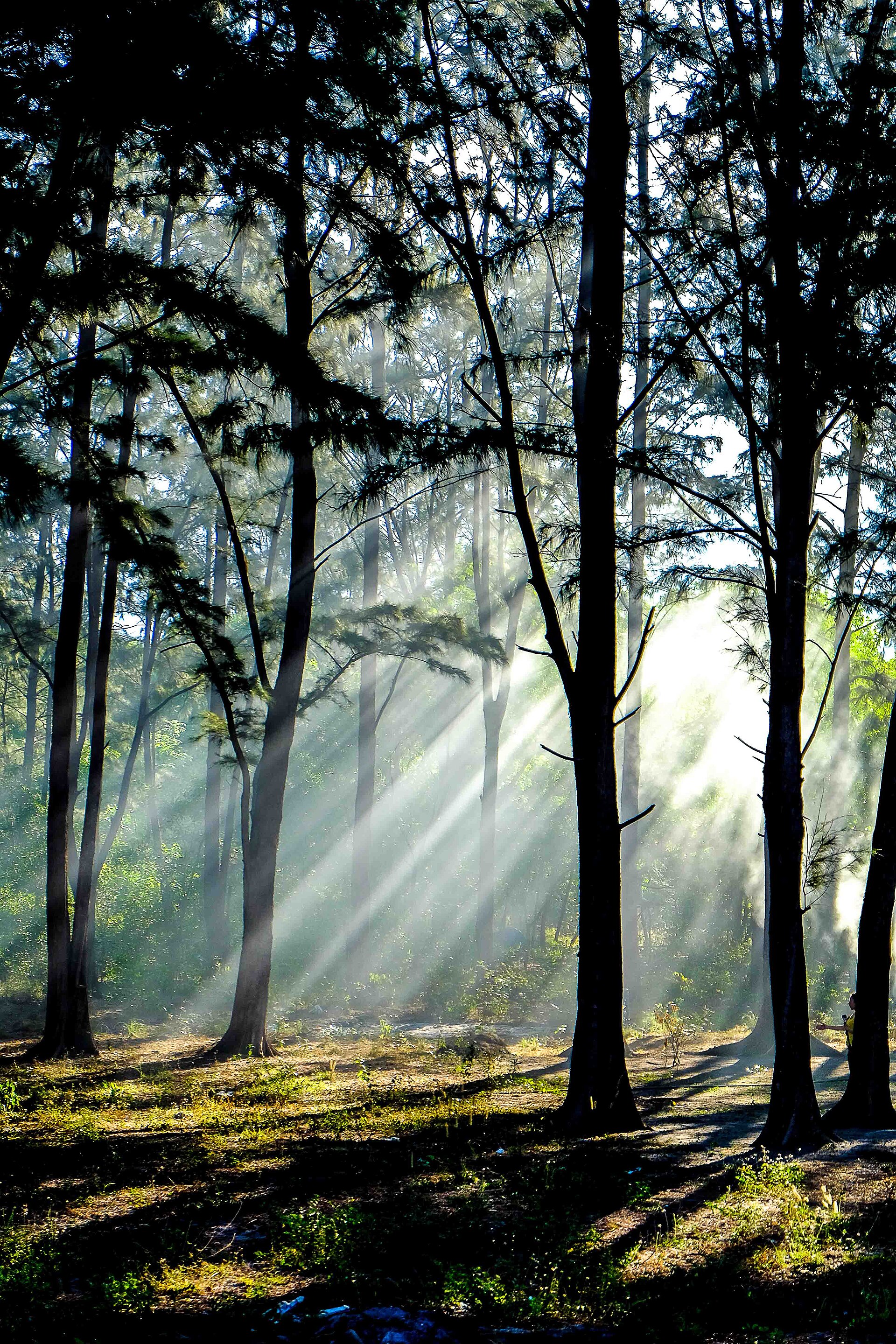
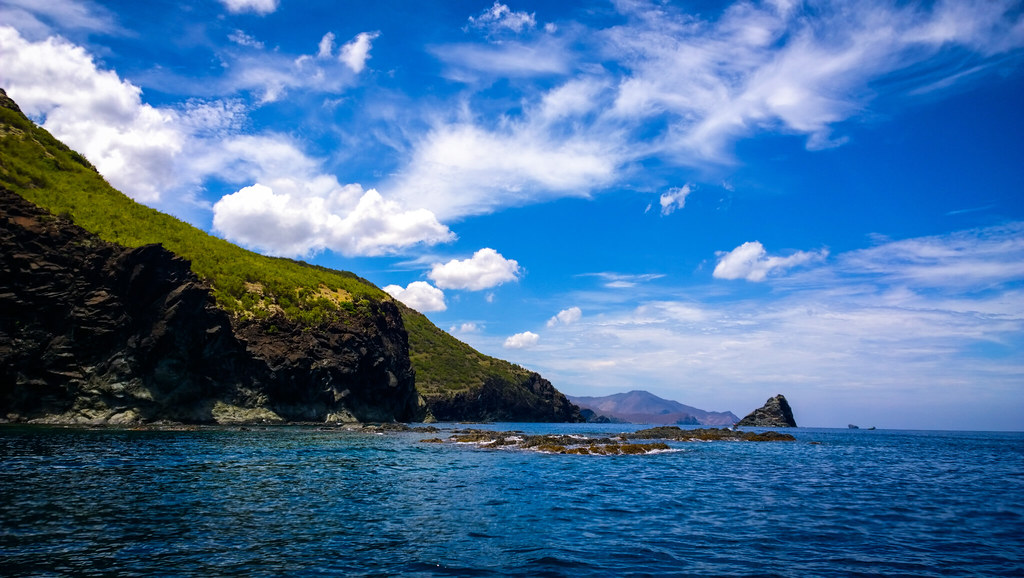
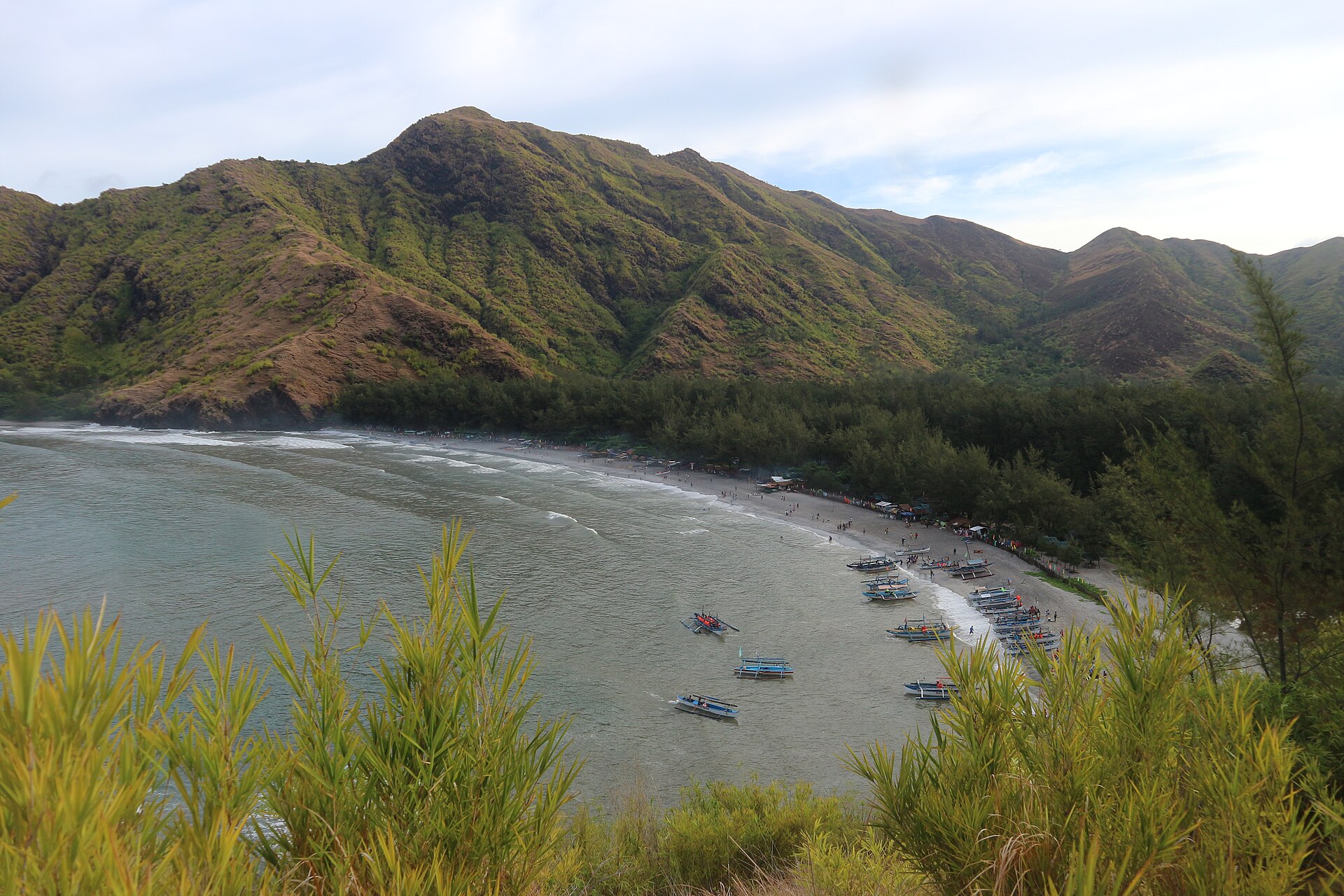
Nagsasa Cove is the larger, quieter alternative to Anawangin in San Antonio, Zambales: a wide ash-gray sand cove left by the Pinatubo eruption, ringed by agoho trees, hills, and clear shallow water. The cove sits on the Zambales mainland, but mountain terrain makes boats the practical way in. Campers come for swimming, viewpoint hikes, stargazing, and a full digital detox: there is zero signal and no power grid.
Read the full guide getting there, costs, amenities, what campers say & more
How do you get to Nagsasa Cove Campsite?
Nagsasa Cove is reached by a 30–60 minute chartered boat from Pundaquit, San Antonio. Ride a bus from Manila toward Iba, alight at San Antonio Public Market, take a tricycle to Pundaquit, then board your boat. Drivers park at Pundaquit and transfer the same way.
Morning departures get the calmest water; afternoon rides run rougher. Experienced hikers can instead enter on mountain trails over Mt. Nagsasa or Mt. Balingkilat, but those are full trekking routes, not shortcuts.
How much does camping at Nagsasa Cove Campsite cost?
DIY camping at Nagsasa Cove costs ₱100–₱150 per person. Onsite extras run ₱300–₱500 for tent rentals and ₱500–₱1,000 for open cottages and kubos. Pundaquit boats charge ₱2,500–₱3,000 return for up to four people; island-hopping day tours run ₱3,500–₱4,000.
Package rates vary widely by operator and group size, so confirm inclusions before paying, and tap “Fees changed” on this page if you paid different prices, so the next campers see current numbers.
What amenities does Nagsasa Cove Campsite have?
Nagsasa Cove offers rustic facilities: communal bathrooms using the bucket-and-dipper system, open cottages, tent rentals, and several small family-run sari-sari stores. There is no electricity, no hotels, and no usable mobile signal from any carrier; the cove is genuinely off-grid.
Pack accordingly: drinking water, food, cash, lights, power banks, sun protection, and trash bags to carry everything back out. The stores cover basics like snacks and soft drinks but not full meal supplies.
What do campers say about Nagsasa Cove Campsite?
Campers consistently rank Nagsasa Cove above Anawangin for breathing room: the same gray-sand-and-pines scenery with a fraction of the tents. Clear, calm, shallow water draws families, while the zero-signal nights make it the go-to stargazing and disconnect trip from Manila.
Recent visitors recommend morning boat departures, because the hour-long ride gets choppy by afternoon, and bringing beach games: volleyball, snorkeling, and ridge hikes fill the day between swims.
When is the best time to camp at Nagsasa Cove Campsite?
December to April is the best window for Nagsasa Cove, with November to February offering the coolest nights and thinnest crowds. Skip weekends if you can, and always check the weather and sea conditions before committing to the boat crossing.