Overview
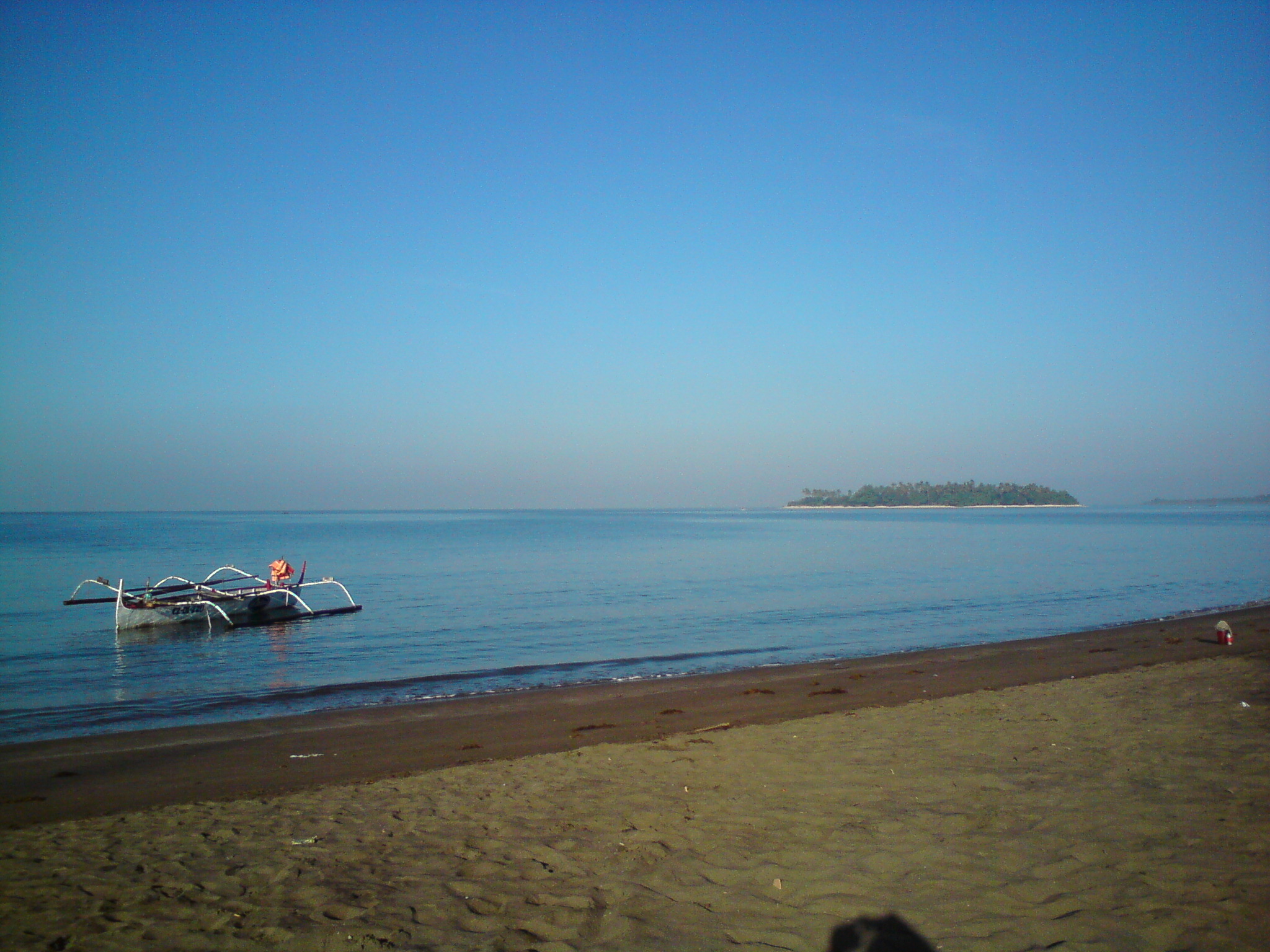
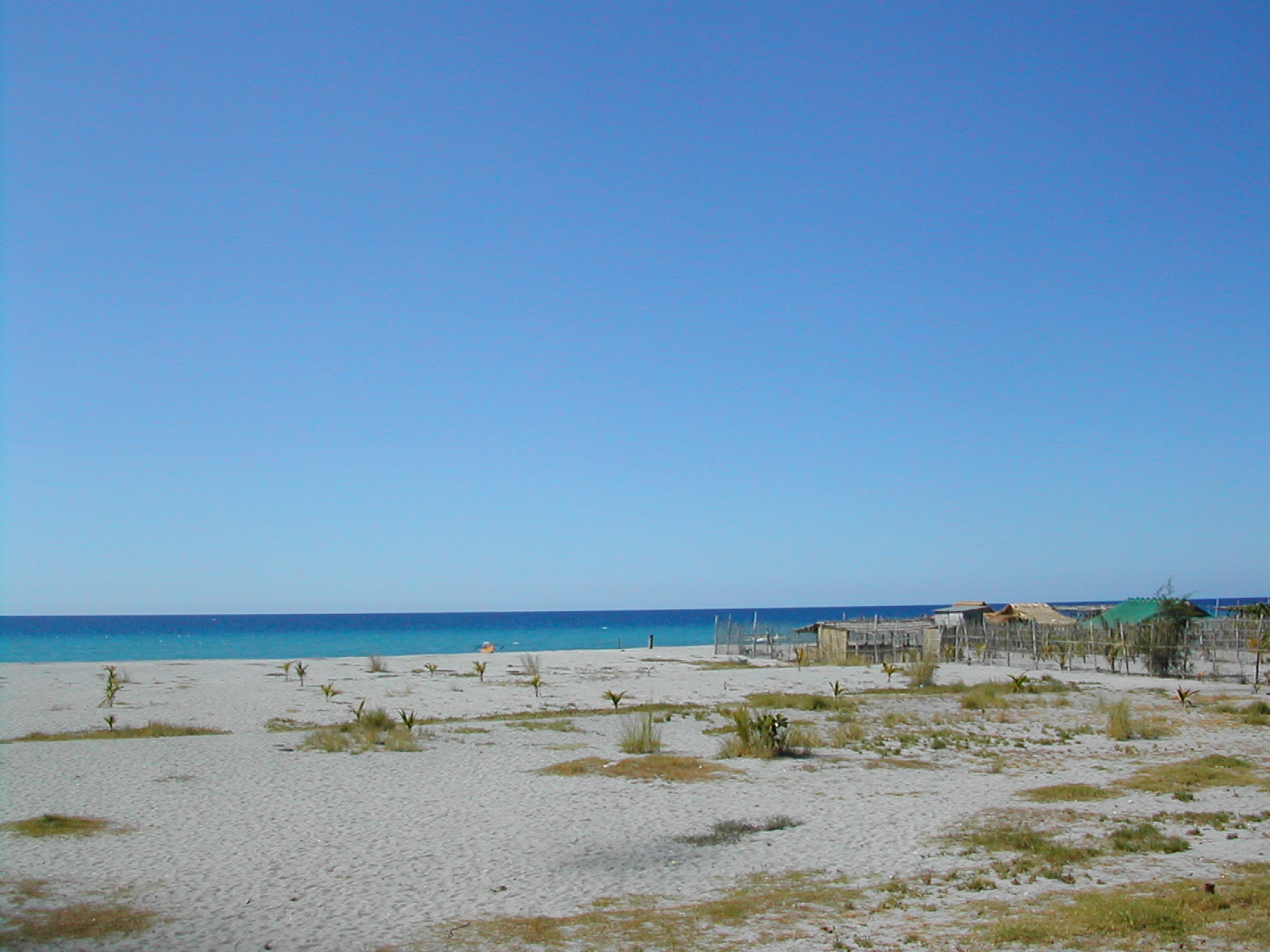
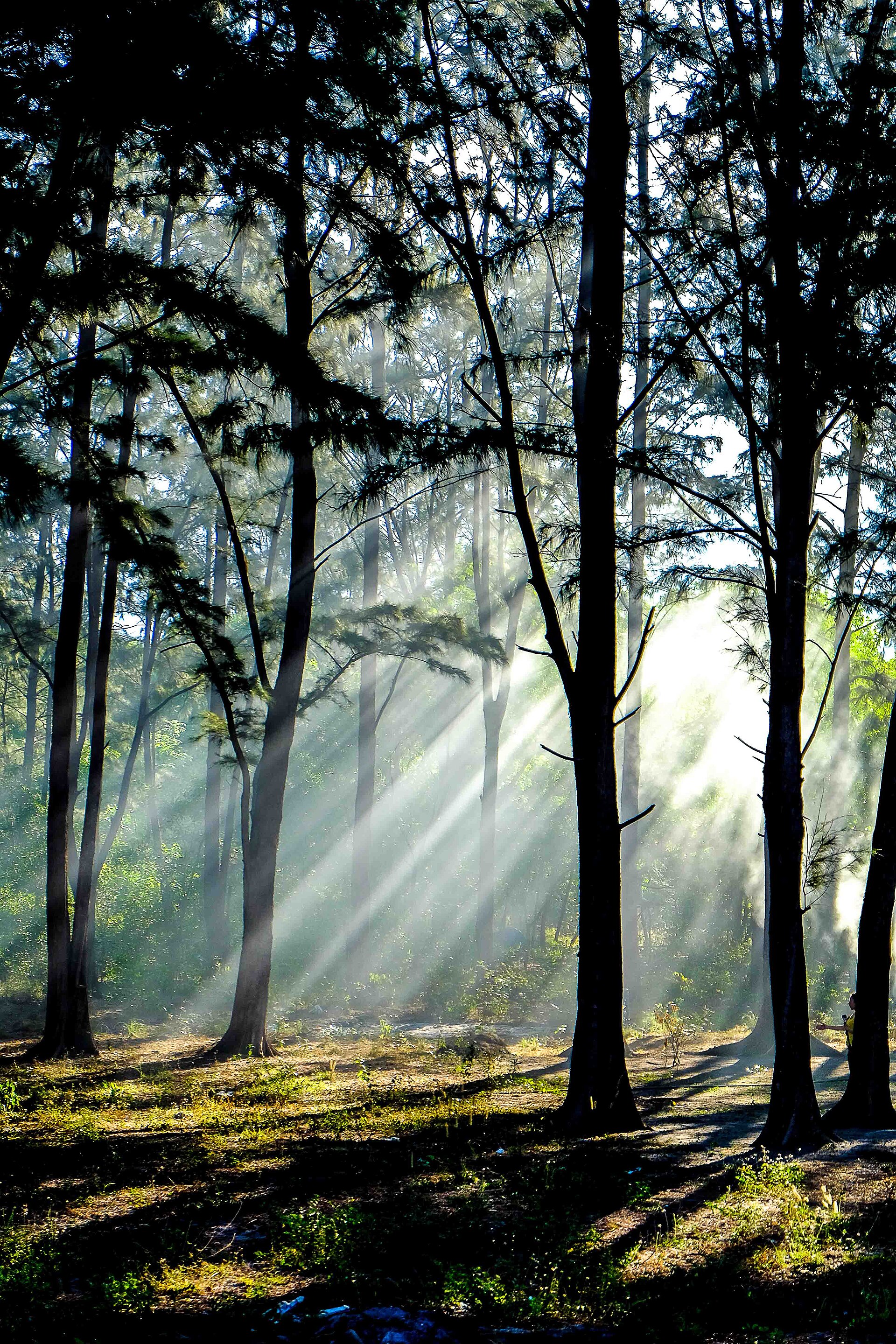
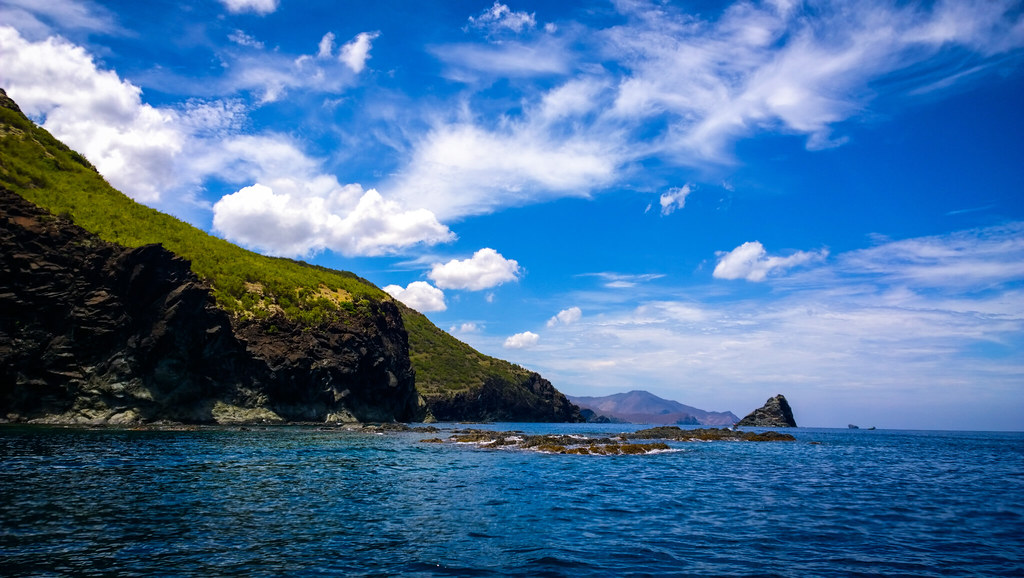
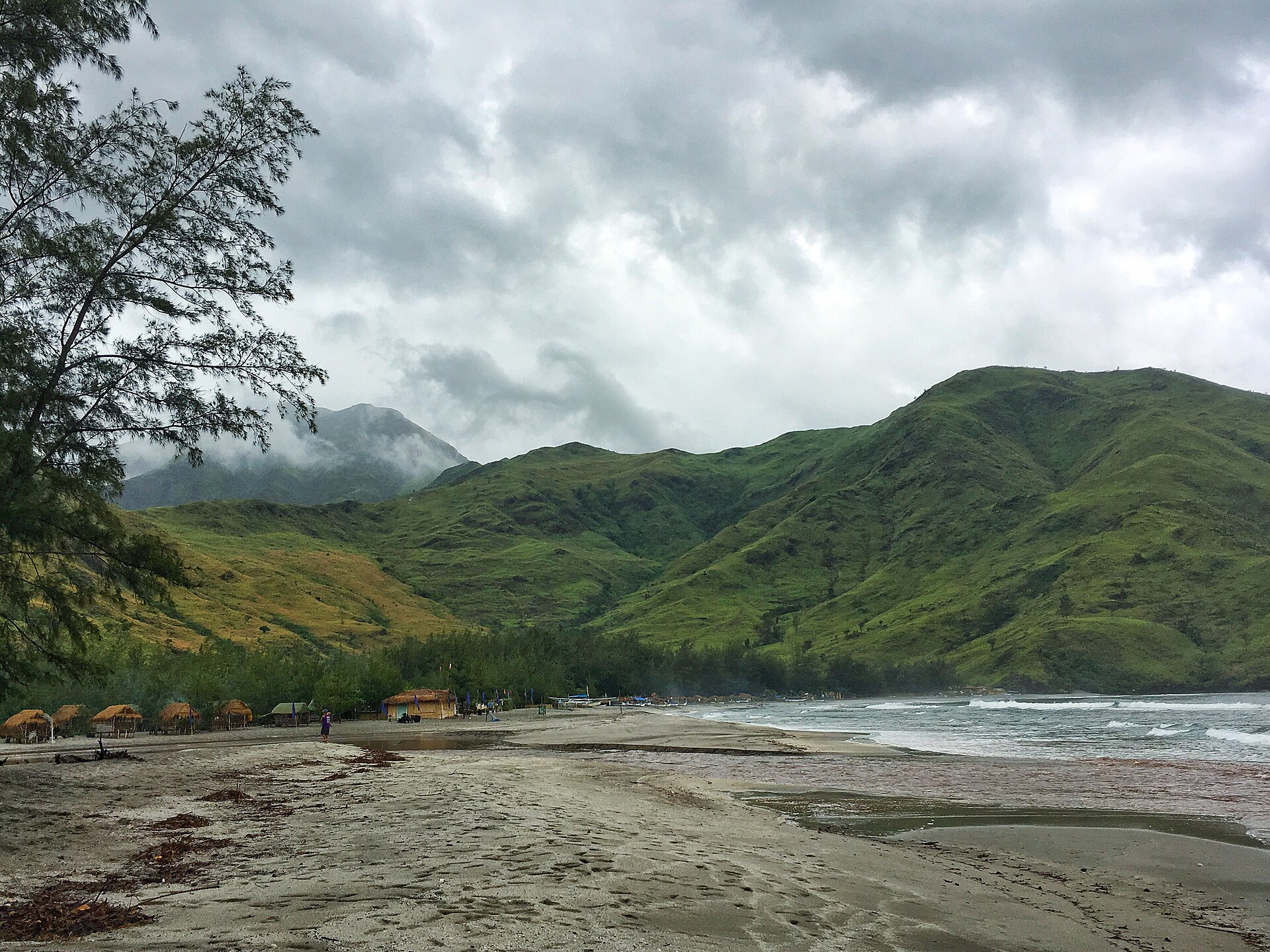
Anawangin Cove is the best-known camping cove in San Antonio, Zambales: a gray volcanic-sand beach backed by agoho pines and hills, with no road in and no resort comforts. The cove works as a rustic 2D1N beach camp, usually combined with Capones and Camara island hopping. Expect basic facilities, little to no signal, and one of the most reliable starter camping trips north of Manila.
Read the full guide getting there, costs, amenities, what campers say & more
How do you get to Anawangin Cove Campsite?
Anawangin Cove is reached by a 20–30 minute chartered boat from Pundaquit, San Antonio. From Manila or Olongapo, ride a bus to San Antonio town, take a tricycle to Barangay Pundaquit, then board your boat. There is no fixed public schedule; boats run on demand.
Private cars and motorcycles can drive only as far as Pundaquit, where beach resorts charge parking fees. A guided Mt. Pundaquit hike also enters the cove for trekkers, usually with a boat exit arranged in advance.
How much does camping at Anawangin Cove Campsite cost?
Overnight camping at Anawangin Cove costs ₱150 per person: ₱130 overnight entrance plus a ₱20 environmental fee. Day trips pay ₱80. Pitching your own tent adds ₱200 per tent, rentals run ₱400–₱500 a night, and Pundaquit boats charge ₱1,500–₱2,000 return for up to four.
Joiner packages bundle boat, fees, tents, and island hopping at ₱800–₱2,300 per head depending on group size. Rates shift season to season. Reconfirm with your operator before traveling, and tap “Fees changed” on this page if you paid different prices.
What amenities does Anawangin Cove Campsite have?
Anawangin Cove provides basic facilities only: shared toilets and rinse areas, designated tent zones under the agoho trees, and generator electricity limited to roughly 6 PM to 6 AM in some areas. There is no power grid and no reliable Globe, Smart, or DITO signal.
Bring drinking water, food, lights, power banks, and dry bags for the crossing. Many packages include tents, drinking water, charcoal, cooking utensils, and bonfire wood. Confirm inclusions before paying, because they vary by operator.
What do campers say about Anawangin Cove Campsite?
Campers describe Anawangin Cove as a true disconnect: no signal, dark starry nights, and a scenic, sometimes bumpy boat ride in. The repeated warnings are summer weekend crowds, with tents packed side by side, and waves stronger than the calm water suggests.
The hill viewpoint above the cove is the most recommended side activity, followed by swimming, bonfires, and pairing the trip with Capones island hopping. Cold nights surprise first-timers; pack a proper sleeping layer.
When is the best time to camp at Anawangin Cove Campsite?
Weekdays and non-peak months are the best time to camp at Anawangin Cove, since summer weekends from March to May fill the beach with tents. The trip always depends on a boat crossing, so check the weather, sea state, and Coast Guard advisories before leaving Pundaquit.