Overview
Jomalig Island Resort Camping is the practical camping setup on Jomalig Island, Quezon. Campers stay in resort-designated tent areas, not free-pitch sections of Salibungot Beach, and pay ₱170 arrival fee + ₱150–₱300 camping = ₱320–₱470/person for the first night.
This is a long-weekend island camp, not a quick overnight from Manila. The usual route combines a 4–5 hour land trip to Real, Quezon with a 5–6 hour boat ride to Jomalig. Two days is tight. Three days and two nights fit the travel time better.
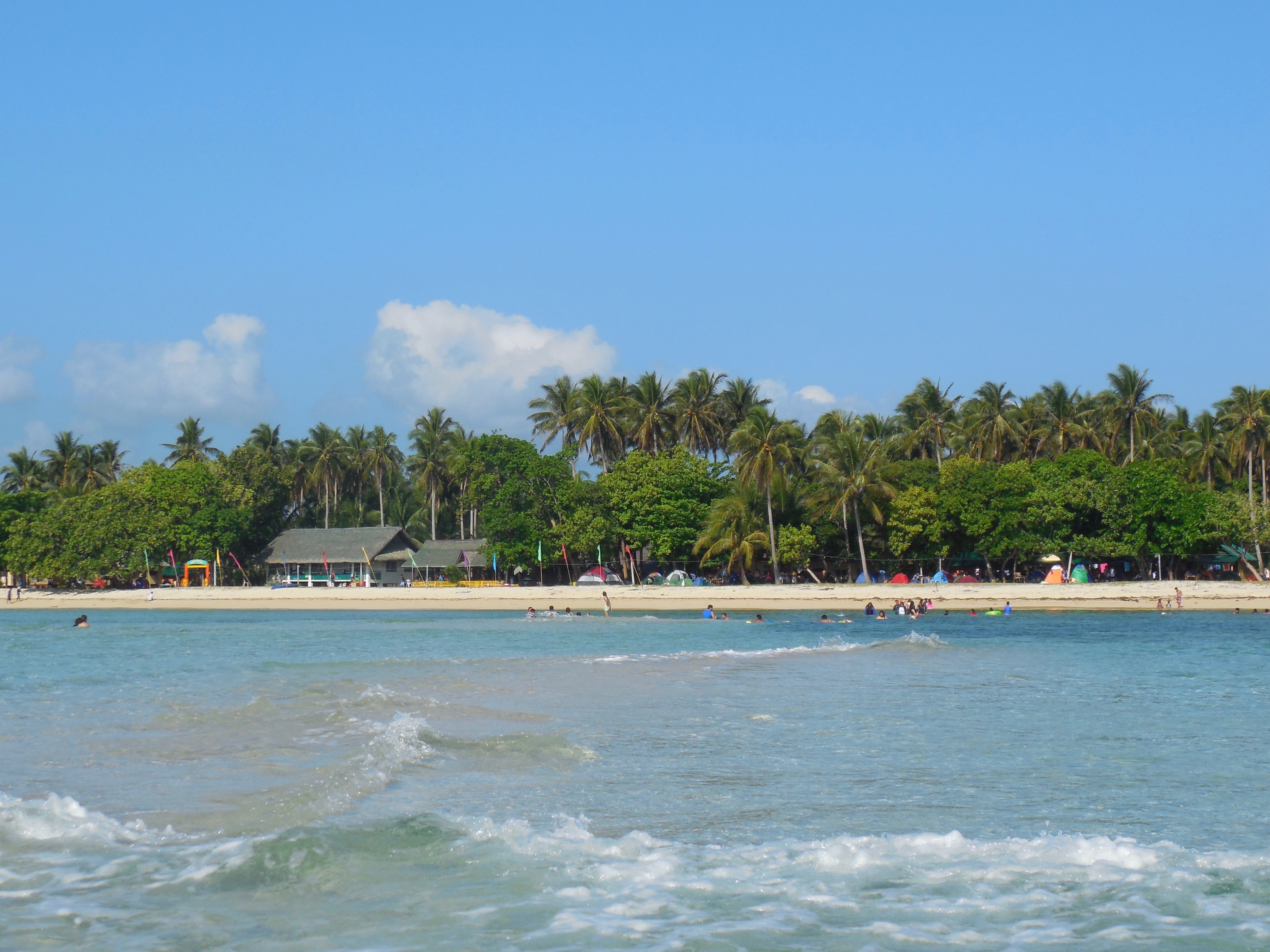
Salibungot Beach is the best-known beach area for golden sand and agoho trees, but camping rules have shifted toward resort hosting. Plan the trip around a confirmed host resort, boat schedule, cash, and enough daylight to reach the campsite by motorcycle after landing.
Read the full guide getting there, costs, amenities, what campers say & more
How do you get to Jomalig Island Resort Camping?
Drive or commute to Real Port in Quezon, board a Jomalig-bound passenger boat, then ride a habal-habal to your host resort. The land leg from Manila takes 4–5 hours, the boat takes 5–6 hours, and island motorcycle transfers commonly start around ₱70/person.
For drivers, Real Port at Ungos is the practical map point. Parking availability should be checked before leaving the car, because the boat leg is long and weather-dependent. Boats can leave early when full, with common morning windows around 5:00 AM to 10:00 AM.
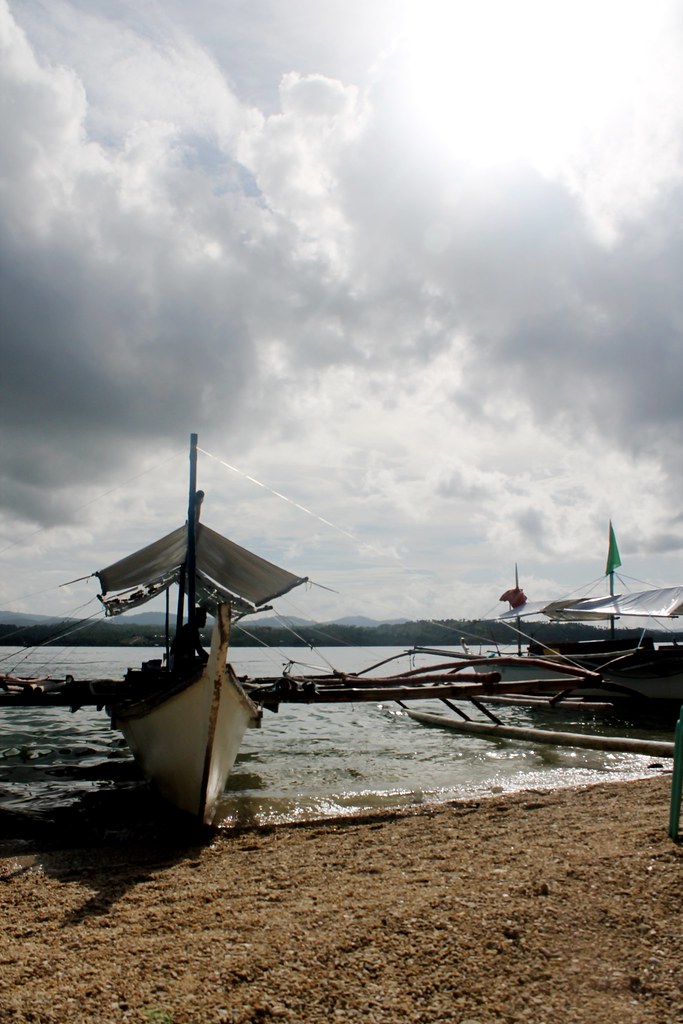
The boat ride is part of the decision. It is a cargo-passenger style crossing, often basic, slow, and rough when the Pacific side is active. Bring food, water, dry bags, motion-sickness medicine, and a power bank before boarding.
How much does camping at Jomalig Island Resort Camping cost?
The first-night paid total is ₱170 arrival fee + ₱150–₱300 resort camping = ₱320–₱470/person. The ₱170 is paid on arrival as the tourism and environment fee. Additional camping nights usually follow the host resort's tent-pitching rate.
Use the range because Jomalig camping is handled by different host resorts. Budget guides and resort listings place tent pitching around ₱150–₱300/person or per tent night, with some package-style offers for 3 days and 2 nights.
This does not include the Real-to-Jomalig boat, motorcycle transfers, meals, island-hopping, or attraction entrance fees. Cash is essential. ATMs and card payments should not be part of the plan.
What amenities does Jomalig Island Resort Camping have?
Amenities depend on the host resort, so confirm before paying. Expect basic resort camping: a tent area, simple CR access, limited electricity or charging, and water rules that vary by property. Bring drinking water unless your host clearly includes potable water.
Some tent-pitching packages include CR use, charging, water access, and potable drinking water, but that does not apply to every resort. Electricity can be limited, although some resorts now have more stable power.
Food is available on the island, but do not arrive empty-handed after the boat ride. Bring drinking water and snacks for the crossing, then buy cooked meals or supplies once settled. Pet and bonfire rules remain unconfirmed.
What do campers say about Jomalig Island Resort Camping?
Campers go to Jomalig for golden sand, open beaches, agoho shade, and a slower island rhythm. The hard part is the approach: a long road leg, a 5–6 hour boat crossing, and a motorcycle ride before camp.
Free tent pitching at Salibungot and the main beach is no longer the safe assumption. The cleaner plan is to book a host resort before traveling, then pitch only where the host allows it. This helps avoid being turned away and keeps the beach rules clear.
The island is better for campers who accept basic comfort. Expect simple bathrooms, variable electricity, limited supplies, and weather-sensitive boats. Treat weak infrastructure as part of the trip, not a surprise.
When is the best time to camp at Jomalig Island Resort Camping?
Summer and the drier travel window are the safest camping choice for Jomalig Island. March to May gets the most common beach-trip recommendations, while rough-weather months can disrupt boat schedules and make the 5–6 hour sea crossing harder.
Leave Manila late at night or before dawn if you want the morning boat window from Real. Missing the boat can cost a full day. For a weekend escape, a 3-day/2-night plan gives more room for delayed departures and rough seas.
Check the weather, tide, and boat status before leaving Real. If the return crossing matters for work on Monday, keep the last day conservative and avoid booking the final boat too late.