Overview
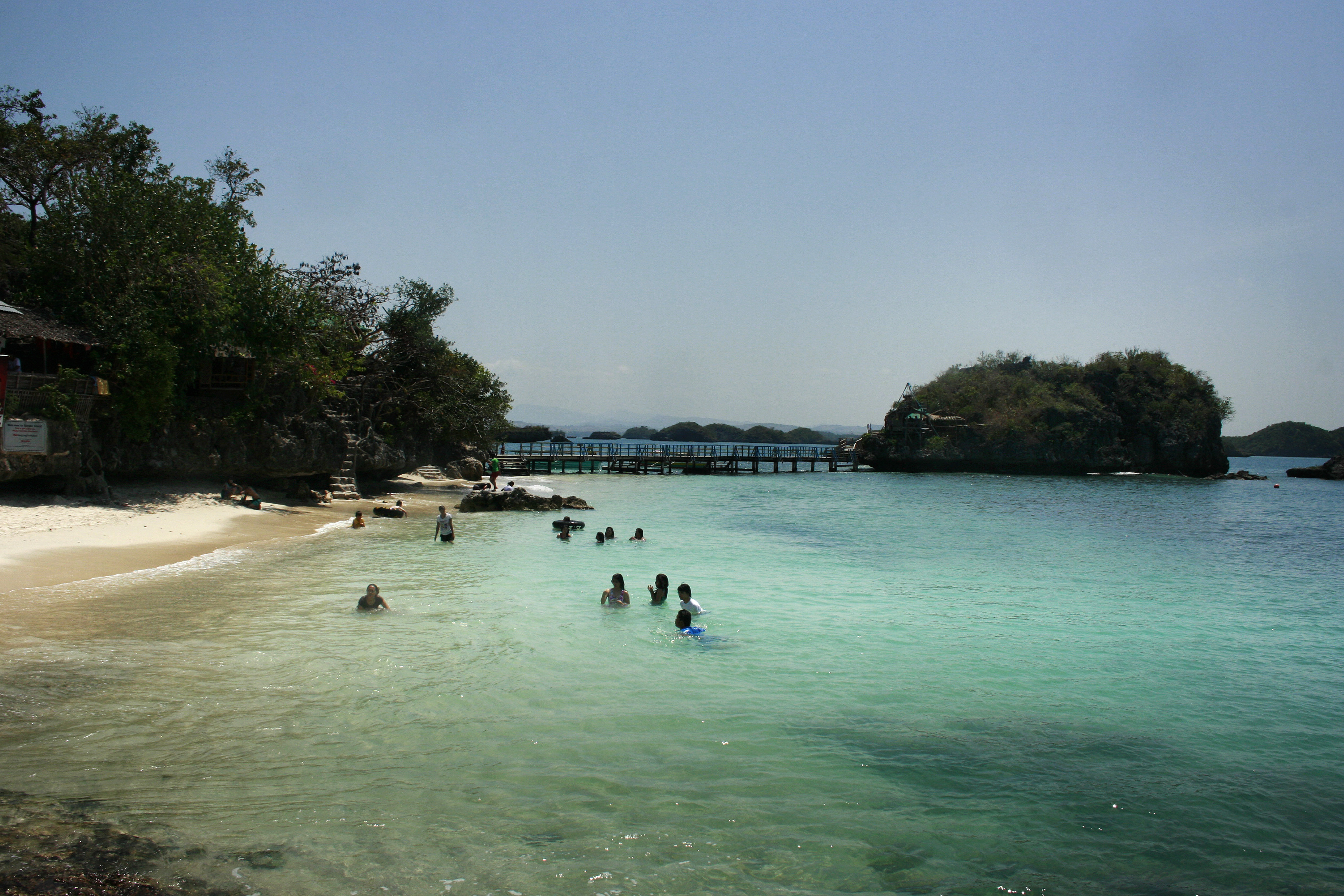
Colibra Island Beach Camp is a small private island campsite off Barangay Tambobong in Dasol, Pangasinan. It suits tent campers who want a simple beach camp with boat access, cream sand, rocky shore sections, basic cottages, small stores, and limited utilities.
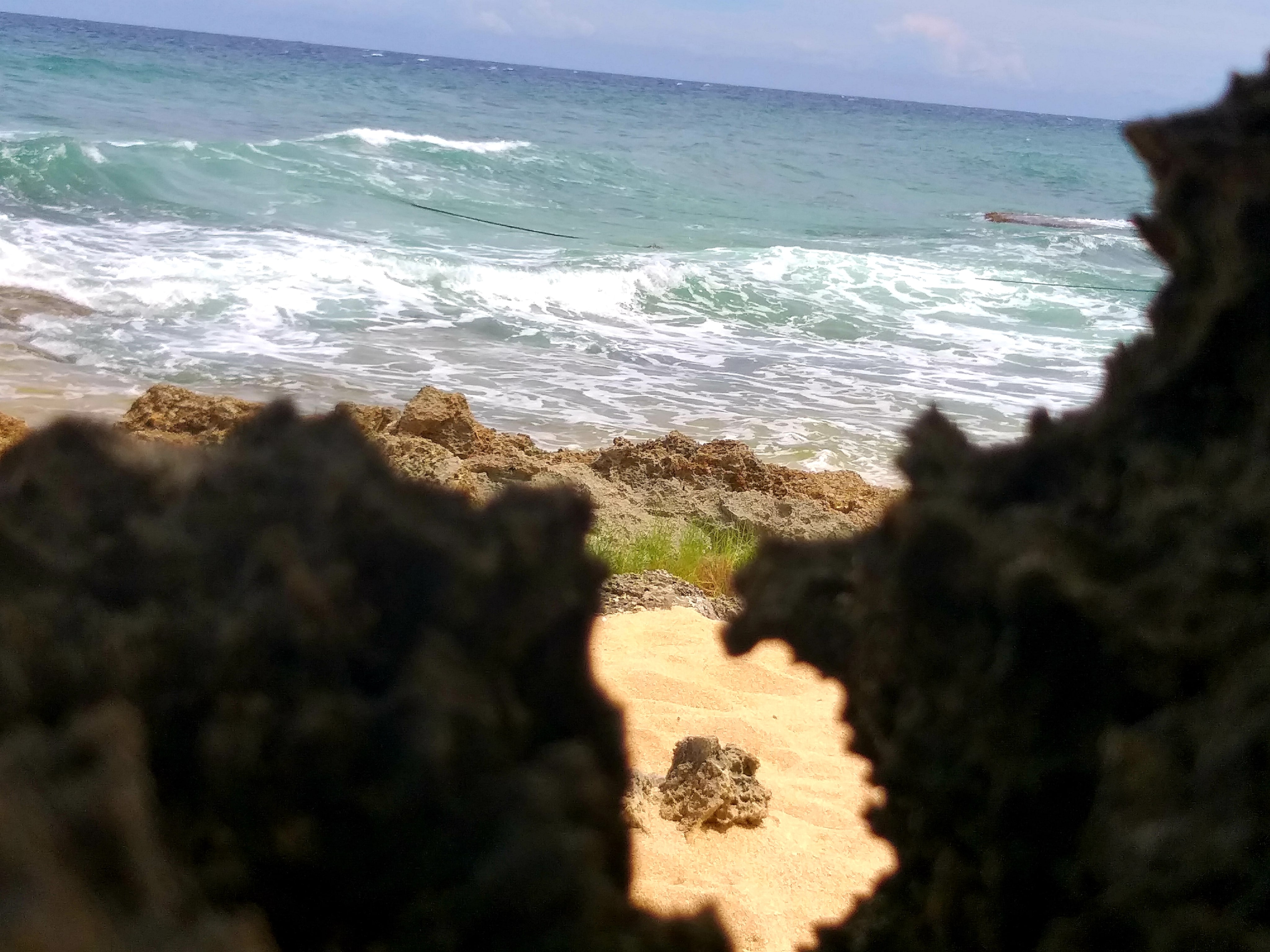
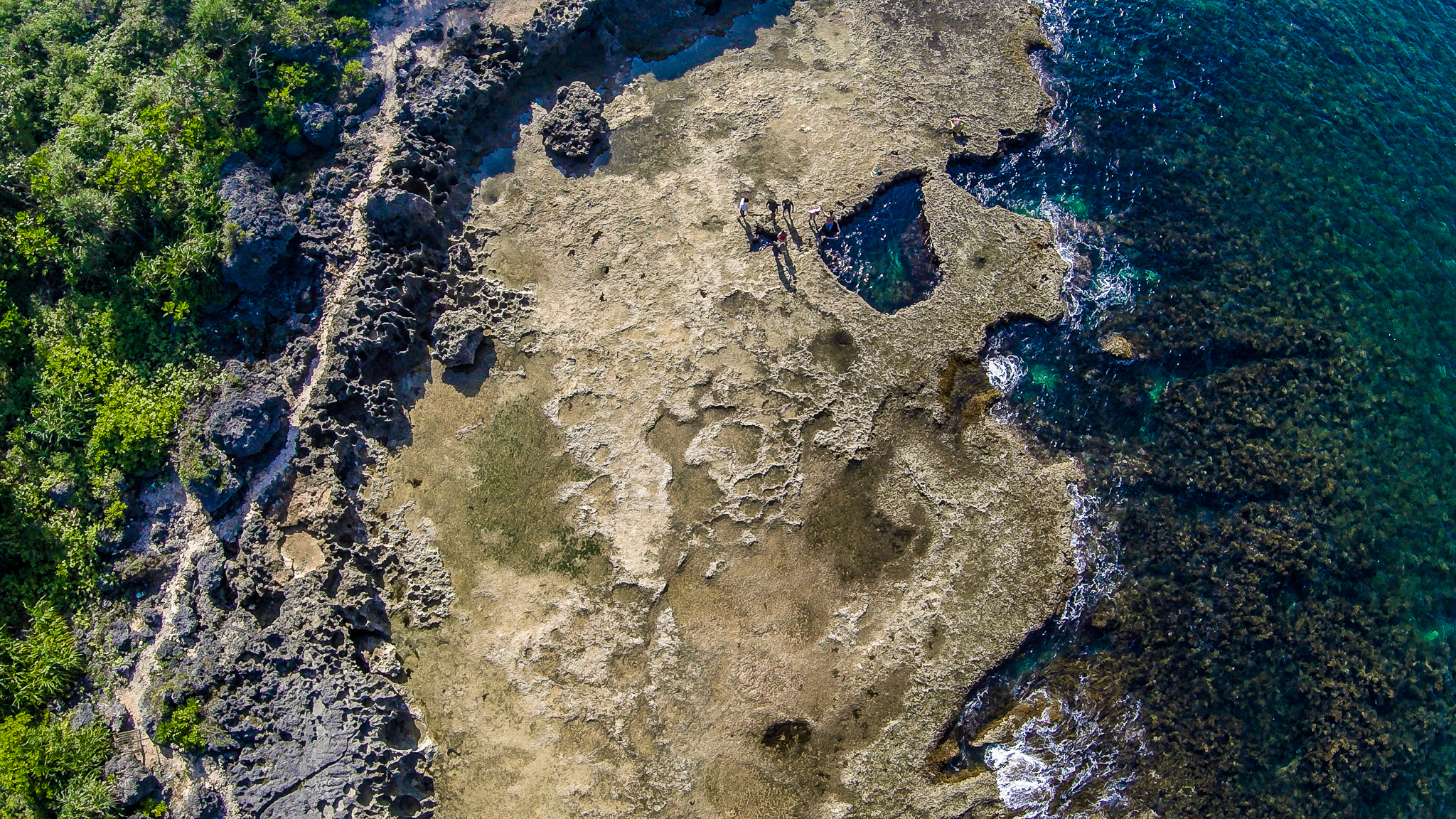
The island is also called Culebra Island, Snake Island, or Camaso Island. It is about two hectares, so campers can walk around it in less than an hour. The southern side has rocks and uplifted coral. The beach side has sand, clear water, and open areas used for day tours and overnight camping.
This is not a full-service resort. Bring camping gear, water, food, power banks, lights, trash bags, and a plan for cooking. The island may have cottages and tents for rent, but campers should confirm availability before traveling because boat schedules, fees, and supplies can change.
Read the full guide getting there, costs, amenities, what campers say & more
How do you get to Colibra Island Beach Camp?
You get to Colibra Island Beach Camp by driving or riding to Tambobong Beach in Dasol, then taking a rented boat to the island. The usual boat ride from Tambobong takes about 15–20 minutes, and Tambobong is the closest practical jump-off.
From Manila by public transport, the common route is bus to Alaminos, transfer toward Iba or Santa Cruz, get off at the Tambobong junction, then take a tricycle to Tambobong Beach. From the beach, hire a boat for Colibra Island.
Drivers should set directions to Tambobong Beach or a confirmed Tambobong resort pickup, not to the island coordinate. The island itself is offshore. If staying overnight, arrange the return boat time before leaving the mainland.
How much does camping at Colibra Island Beach Camp cost?
Recent overnight island entry for Colibra Island Beach Camp is ₱300/person. Boat rental is separate, with a recent overnight boat rate of ₱2,000/group good for 6 people. Older travel guides list lower entrance, docking, and group camping fees, so confirm the current rate before going.
The key fee parts are the island fee and the boat. For the campsite fee fields here, ₱300/person is used because it is the stated overnight per-person island entry. Boat cost depends on group size and boat arrangement, so it is not folded into the per-person campsite fee.
Older references list ₱25 entrance, ₱100 docking, and around ₱1,100 group camping with one tent, while 2021 camper notes list ₱50/person entrance, ₱1,500 boat, and ₱200 cottage. Treat those as historical comparison only.
What amenities does Colibra Island Beach Camp have?
Colibra Island Beach Camp has basic island facilities: open cottages, small stores for basic supplies, rented tents or cottages when available, and beach areas for swimming and camping. It has no reliable electricity, no freshwater supply for campers, and no full restaurant setup.
Bring drinking water. Bring meals or ingredients if staying overnight. Mini stores may sell snacks, and grillers may be available, but do not rely on the island for meals. Phone reception is generally usable, but charge devices before crossing and bring a power bank.
Shade is limited because the island is flat, dry, and mostly exposed. Use a tarp, sun hat, and reef-safe sun protection. Sea snakes may be present around some rocky parts, so avoid poking into rock gaps and keep children away from rough shore sections.
What do campers say about Colibra Island Beach Camp?
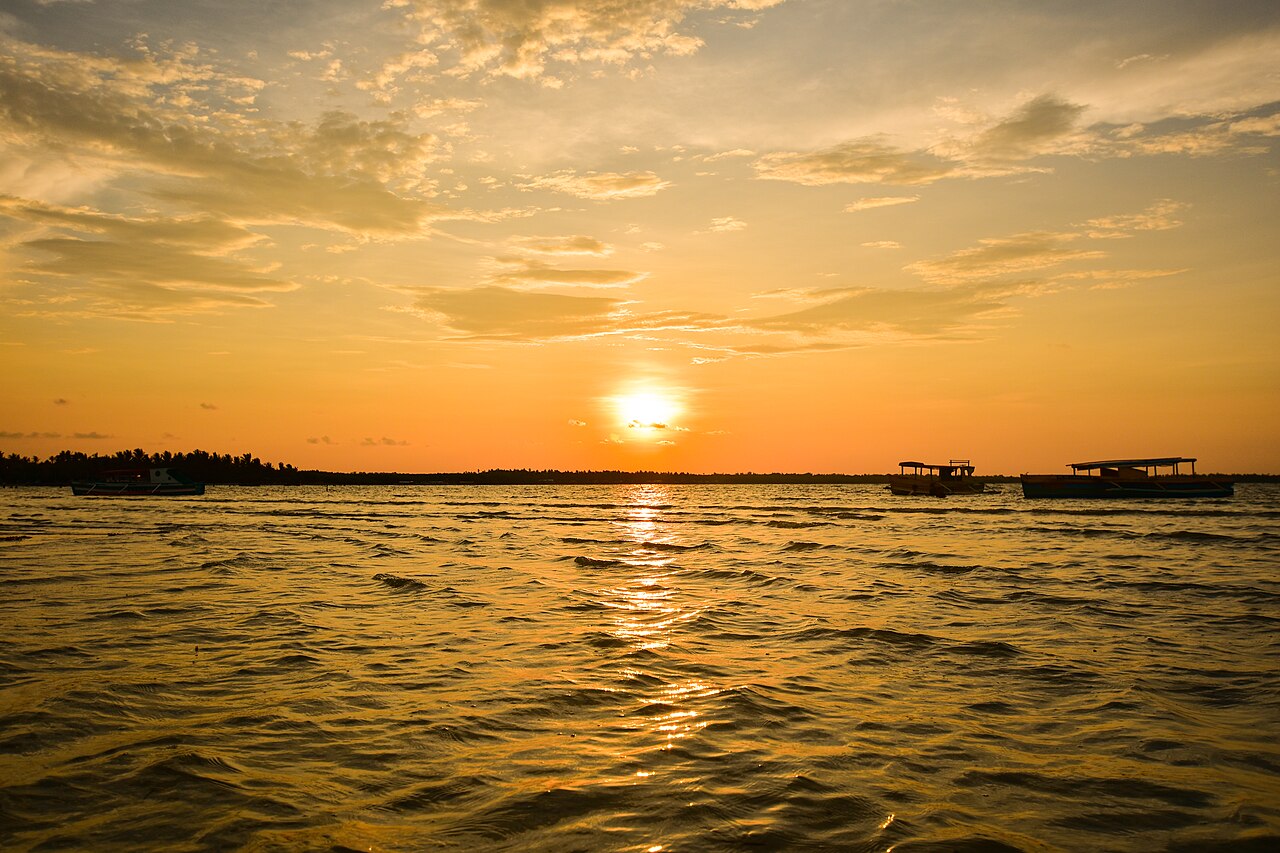
Campers describe Colibra Island Beach Camp as a small, simple island for swimming, short walks, sunset watching, snorkeling, and overnight tent camping. The main tradeoffs are exposure to sun, limited supplies, no electricity, boat logistics, and the need to pack out trash.
The island works best for campers who are comfortable with a basic setup. Day trippers usually stay a few hours, while overnight campers go for the sunset, stars, and early morning beach time. The beach can feel quiet when groups arrive early or outside peak weekends.
When is the best time to camp at Colibra Island Beach Camp?
The best supported camping window for Colibra Island Beach Camp is March–June, when summer weather gives a better chance of calmer seas and clearer beach conditions. Rainy-season trips can still happen, but seaweed, rougher crossings, and changing boat availability are more likely.
Leave Tambobong early if you are doing a day trip or want calm morning water. For overnight camping, ask the boat operator about wind, tide, and return timing before you load gear.